


Having little explorers in your home running around can potentially lead to dangerous situations. Baby-proofing your home is the first step new parents should take when they bring their new little one home. Safety locks are a perfect way to childproof your home while also giving you peace of mind while they curiously roam through your home. In this article, we will take a look at each room of your home and point out the critical areas that require safety locks.
The Cooking and Dining Area
Cabinets and Drawers
Your kitchen is a hazard zone for your little one. If you look around, you will see sharp utensils, cleaning supplies, heavy pots and pans, and a hot stovetop. It is the ultimate minefield waiting to be explored by your little one. Installing safety locks on cabinets and drawers that are lower or the same height as your little one is critical. You want to choose between magnetic or adhesive locks, both of which are effective and easy to install.
Your Refrigerator and Freezer Doors
Your fridge can be intriguing for a curious tot, especially when it's filled with colorful fruits, fun-shaped containers, and sometimes easily breakable glass bottles. Some parents might overlook this hotspot, but installing a childproof lock on your refrigerator door can prevent unnecessary spills, messes, and accidents.
Oven and Stove Knobs
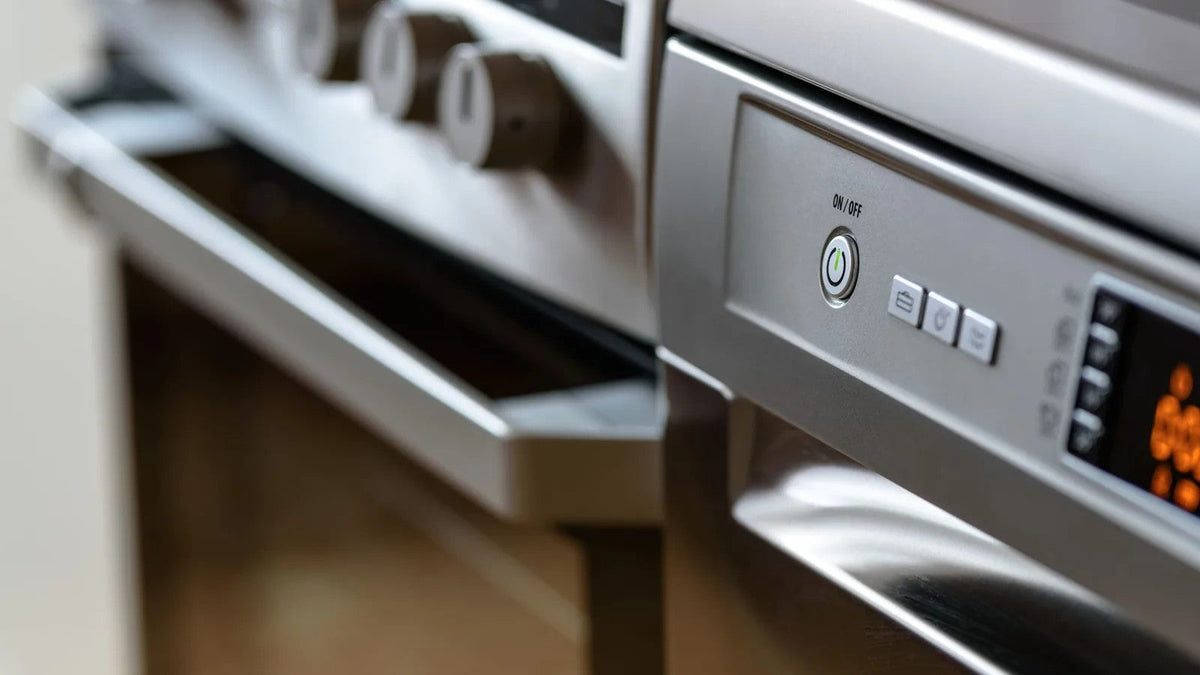
A curious child could easily turn the knobs of your stove, which can lead to a dangerous situation. Think about adding knob covers or a stove guard. For ovens, ensure the door cannot be easily opened by installing an oven lock.
The Living Room
Entertainment Center
The living room might seem like a safe zone, but electrical gadgets and accessories can be hazardous. Consider baby locks for cabinets housing your DVD players, gaming consoles, and other media devices. This ensures cables and fragile equipment are out of reach.
Bookshelves and Furniture
It’s also important to secure heavy furniture and bookshelves to the wall, in some cases including doors and drawers belonging to such units, using anti-tip locks. They prevent children from pulling out heavy items or climbing them, which could lead to tipping incidents.
The Fireplace
If you have a fireplace, a lockable safety screen is a must. It prevents children not only from touching the hot surface but also from accessing the inner areas where they could injure themselves with tools or other objects.
All Bathrooms
Cabinet and Drawer Locks
Just like the kitchen, bathrooms house many dangerous items, including cleaning agents, medications, and small electrical appliances like hairdryers. Place childproof locks on cabinets and drawers to prevent your child from gaining access to harmful substances.
The Toilet
Believe it or not, the toilet poses a serious risk for young children due to the risk of drowning. Place a safety latch on the toilet lid to ensure that little hands cannot open it easily.
Shower and Bathtub Fixtures
If your child is able to turn faucets, installing protective coverings or locks on the shower and bathtub fixtures can prevent scalds from hot water and other water-related accidents.
The Primary Bedroom
Dresser Drawers
In the bedroom, you’ll find smaller, often more cluttered drawers filled with potentially hazardous objects—things like jewelry, cosmetics, and small toys that can be choking hazards. Use childproof locks to secure these areas, especially lower drawers that are within your child’s reach.
Closet Doors
Depending on what's stored in your closets, consider adding a childproof safety latch. Shoes, heavy or stacked objects, and even some types of clothing can be hazardous if thrown about or pulled down.
The Baby’s Nursery
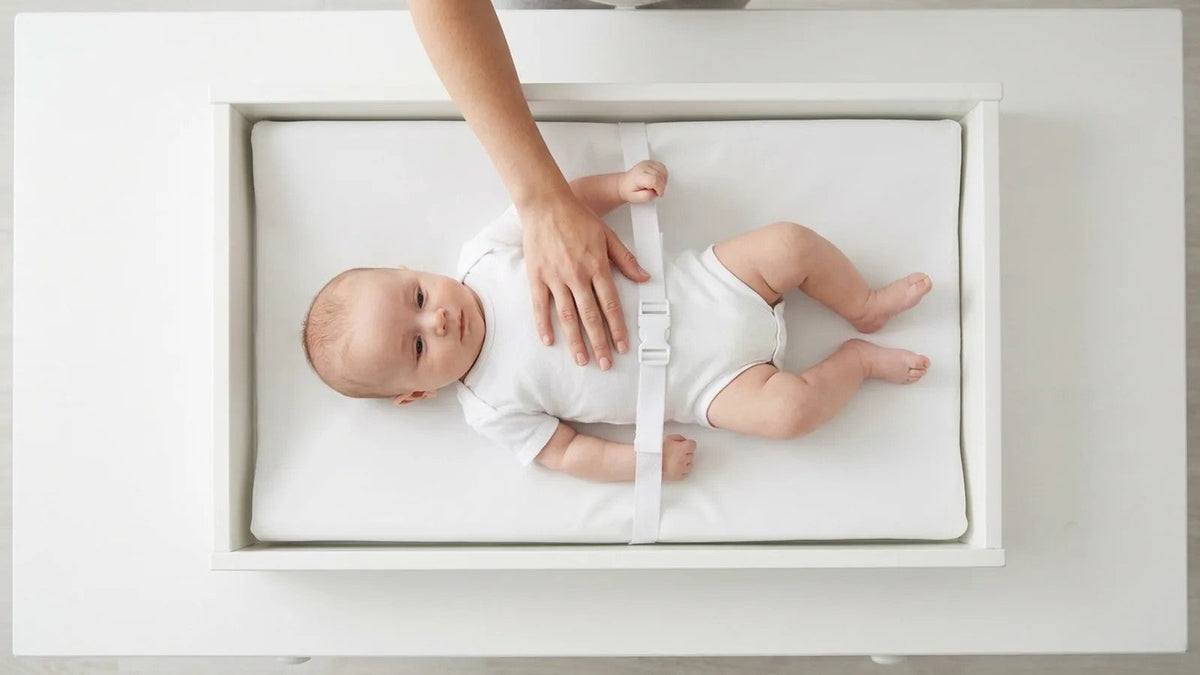
Crib Safety and Drawer Locks
Your baby's nursery is where comfort meets utility, and it's crucial to keep it as safe as possible. If your crib has a drop-side rail, stop using the drop side and replace the crib as soon as you can. Federal safety standards have banned the manufacture and sale of drop-side cribs since June 2011. Additionally, you want to ensure there are locks installed on the following items:
- Lower drawers within organizational units
- Dresser Drawers with clothing
- Changing tables with baby supplies
- Nightstands with drawers
Toy Chests
Toy chests may seem harmless, but they can pose risks if a lid falls shut or if small toys become a choking hazard. Consider toy chests with safety hinges that prevent it from slamming shut, or simply opt for baskets without lids.
Hallways and Staircases
Stair Gates
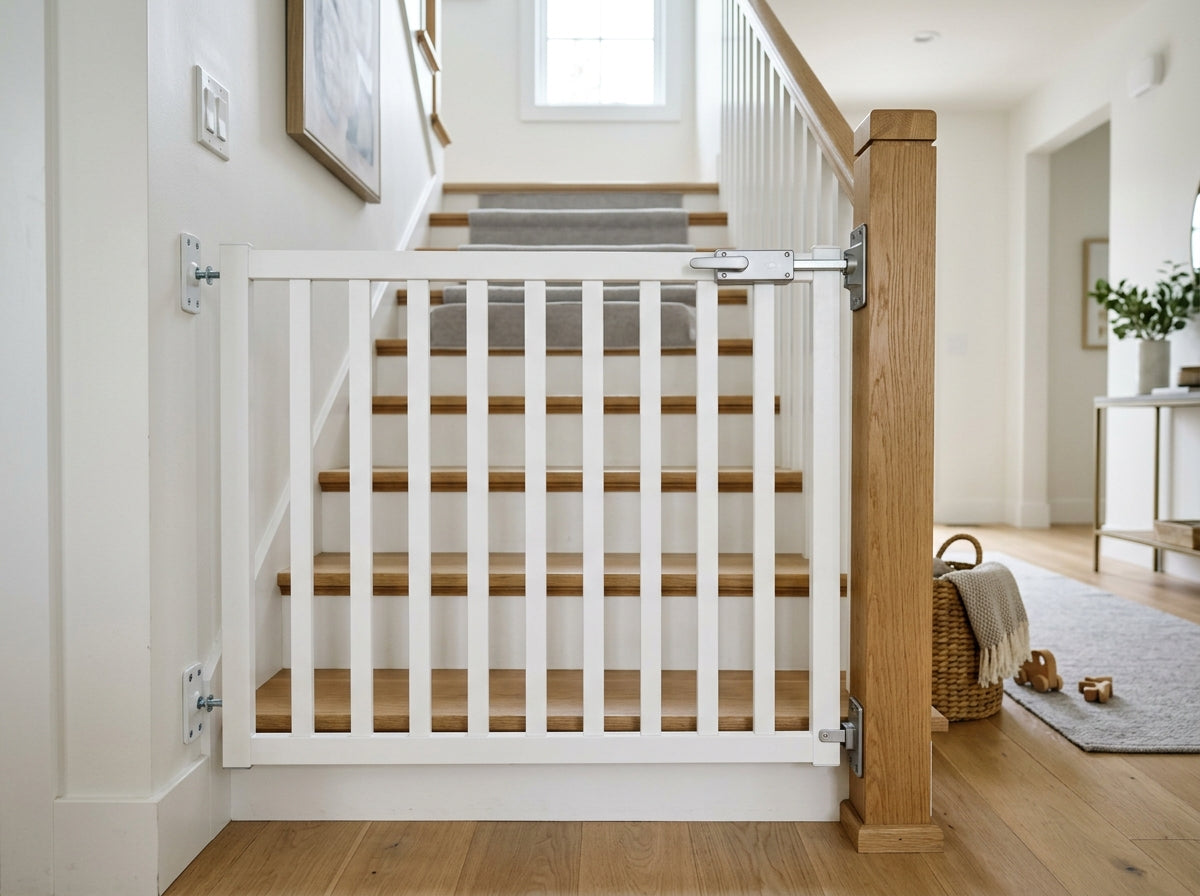
Any area with a stairway should have a sturdy safety gate at both the top and bottom. At the top of the stairs, only use a hardware-mounted gate that screws into the wall, never a pressure-mounted gate. Investing in gates that have vertical slats can help prevent children from climbing over.
Lockable Doors
Ensure any doors leading to basements, attics, garages, or other areas where children should not roam freely are equipped with high-placed locks or child-resistant doorknob covers. These locks can prevent young ones from venturing into potentially hazardous areas unsupervised.
Laundry Room
Washer and Dryer
The laundry room hides powerful machinery behind seemingly benign doors. Place locks on your washer and dryer doors to prevent suffocation risks and injuries. Some machines come with a child lock feature, but an added layer of security can provide peace of mind.
Chemical Storage
Most laundry rooms house various chemicals, including detergents, fabric softeners, and bleach. Ensure these substances are stored in high cabinets or have childproof locks on lower storage units.
The Garage
Tools and Equipment Storage
Your garage is another area filled with potential hazards. Keep tools, chemicals, and other dangerous equipment securely locked away. Invest in secure cabinets with strong, reliable locks or a lockable toolbox on high, sturdy shelves.
Your Car Keys
Young children can be surprisingly adept at finding your car keys and playing with them. To prevent accidental starting or activation of your vehicle's features, always store keys in a high, childproofed location.
Child Proof Your Home and Lock Up Your Peace of Mind
There are so many areas in your home that you need to baby-proof and taking your time through every room is essential to ensure the safety of your little one. It is better to be prepared than unprepared, especially when placing safety locks. As each day brings about a new area of your home to explore for your little one, following the above steps will help to ensure you are taking preventative measures so your child can safely roam around your home.
Share:
How to Baby Proof Cabinets: A Comprehensive Guide
Best Baby Proofing Products to Safeguard Your Home